4×
Double weaknesses
0 attacking types
No attacking type lands in this multiplier group.
Ice/Fighting
Six 2x weaknesses, three resistances, and zero immunities shape the incoming damage table
Ice and Fighting combine into a dual-defending profile where each attacking type's effectiveness is multiplied. The incoming damage table shows six 2x weaknesses, three 0.5x resistances, and nine neutral results. Pokemon Champions entries with this exact pair appear in the roster directory, and related combinations reveal how replacing one type shifts the profile.
Incoming damage calculations multiply each attacking type's effectiveness against both Ice and Fighting defenders.
Incoming attacks against an Ice/Fighting defender multiply effectiveness against both types. Six attacking types deal 2x weakness damage, while Ice, Bug, and Dark attacks drop to 1/2x resistances. Use the groups below to read 4x, 2x, 1/2x, 1/4x, and 0x multipliers, plus 1x neutral attacking types. These base type-chart matchups apply before abilities, items, moves, or field effects alter incoming damage.
0 attacking types
No attacking type lands in this multiplier group.
6 attacking types
3 attacking types
0 attacking types
No attacking type lands in this multiplier group.
0 attacking types
No attacking type lands in this multiplier group.
9 attacking types
These values describe the base type chart only. Abilities, moves, items, and field effects can change how an individual battle resolves.
Swap a single partner type to see how the complete incoming-damage profile and exact roster representation shift.
Each neighboring combination retains either Ice or Fighting and substitutes the partner type. Holding one shared type provides a structural baseline, but the changed partner fully transforms the complete weaknesses, resistances, and neutral matchups. Compare how specific pairings alter defensive outcomes and roster representation. Both represented and currently empty typings serve as equally valid destinations for type-chart research.
5 roster entries
Fire/Fighting defensive matchup profile
4 roster entries
Fighting/Psychic Matchup Profile
3 roster entries
Fighting/Dark Matchup Profile
3 roster entries
Fighting/Flying Matchup Profile
3 roster entries
Grass/Fighting Matchup Profile
2 roster entries
Fighting/Bug Type Matchup Profile
2 roster entries
Fighting/Poison Matchup Profile
2 roster entries
Fighting/Steel Matchup Profile
2 roster entries
Grass/Ice Matchup Profile
2 roster entries
Ice/Ghost Type Matchup Profile
2 roster entries
Ice/Rock Defensive Matchup Profile
1 roster entries
Electric/Ice Matchup Profile
See how replacing one defending type changes the incoming damage profile. Browse nearby combinations like Ice/Steel, Ice/Fairy, or Fighting/Steel to compare weaknesses, resistances, and neutral results side by side, and check for Pokemon Champions entries that share either defending type.
Examine Champions entries holding both Ice and Fighting types to understand how identical dual typing translates into distinct battle roles.
An exact Ice and Fighting typing requires both types, regardless of order. The entries below show current Champions roster matches for this specific combination. While sharing core matchups, individual base stats, abilities, and moves create distinct roles. If no entries appear, the type chart data still supports matchup analysis. Open individual profiles to evaluate forms and move sets.
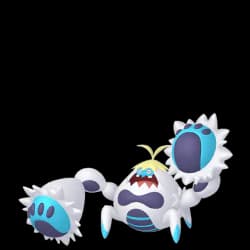
Crabominable displays immense physical strength through its specialized, cold-charged pincers. Evaluating the Fighting and Ice typing allows trainers to determine how the Woolly Crab Pokemon handles threats in Pokemon Champions. Reviewing its insulating fur and impulsive temperament helps in understanding the limitations and potential of this arctic-adapted battler.
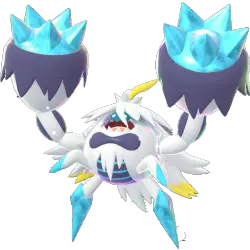
Mega Crabominable offers high-tier physical attack power and solid defensive stats suited for specialized team roles. Examine the percentile performance and foundational type data for this combatant to determine how the Fighting and Ice profile fits into current strategic considerations.