4×
Double weaknesses
0 attacking types
No attacking type lands in this multiplier group.
Ice/Ghost
How Fire, Rock, Ghost, Dark, and Steel attacks interact with the Ice/Ghost dual typing
Ice/Ghost multiplies attacking effectiveness against both defending types into one incoming-damage profile. Fire, Rock, Ghost, Dark, and Steel deal 2x; Ice, Poison, and Bug are resisted; Normal and Fighting are immune. Eight types stay neutral. Find matching Pokemon Champions entries and compare related dual typings to see how replacing one type changes the matchup.
Combined typing effectiveness for calculating weaknesses, resistances, and immunities against Ice/Ghost Pokemon.
An attacking type's effectiveness against both Ice and Ghost is multiplied to determine incoming damage. Use the groups below to find 2x weaknesses, 1/2x resistances, and 0x immunities. Neutral attacking types are explicitly listed because their multiplied effectiveness results in standard 1x damage. These matchup outcomes reflect base typing only, excluding modifiers from abilities, items, moves, or field effects.
0 attacking types
No attacking type lands in this multiplier group.
5 attacking types
3 attacking types
0 attacking types
No attacking type lands in this multiplier group.
2 attacking types
8 attacking types
These values describe the base type chart only. Abilities, moves, items, and field effects can change how an individual battle resolves.
Changing a single partner type shifts the complete incoming-damage profile and roster representation.
Each linked profile retains either Ice or Ghost while swapping the partner type. Sharing one type does not guarantee a similar defensive profile, as a single substitution can entirely reshape weaknesses, resistances, and immunities. Review these paths to measure how a type change alters the damage chart and exact roster representation. Populated and empty combinations remain valid research destinations.
7 roster entries
Grass/Ghost matchup profile
5 roster entries
Fire/Ghost matchup and roster profile
3 roster entries
Ghost/Dark Matchup Profile
3 roster entries
Ghost/Steel Matchup Profile
3 roster entries
Ground/Ghost Matchup Profile
2 roster entries
Grass/Ice Matchup Profile
2 roster entries
Ice/Fighting matchup profile
2 roster entries
Ice/Rock Defensive Matchup Profile
2 roster entries
Poison/Ghost Type Matchup Profile
2 roster entries
Water/Ghost Type Matchup Profile
1 roster entries
Electric/Ghost matchup and typing
1 roster entries
Electric/Ice Matchup Profile
See how replacing one defending type changes the incoming-damage profile. Compare Ice/Ghost with combinations like Ice/Dark or Ghost/Fire to understand which attacking types shift between weaknesses and neutral matchups. Each related profile uses the same effectiveness calculation.
Explore Champions roster entries carrying exact Ice and Ghost typing, independent of type order.
An exact Ice and Ghost typing match requires Pokemon carrying both types, regardless of which is listed first. If the roster includes entries with this exact pair, opening their profiles reveals distinct stats, abilities, and moves. When no entry currently holds this combination, the matchup profile remains available. Shared dual typing never makes Pokemon interchangeable, as individual forms and abilities dictate their specific roles.
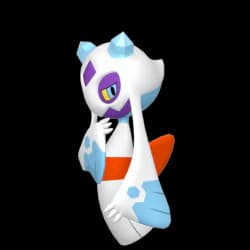
Froslass presents a fragile but highly agile profile within Pokemon Champions. By examining its specific speed-focused stats and dual-type vulnerabilities, players determine how to leverage its spectral illusions and cold-based utility effectively during difficult mountain-themed encounters.
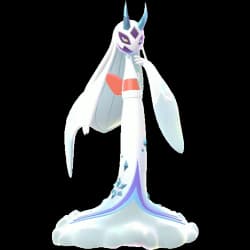
Mega Froslass provides a specialized offensive profile defined by high speed and significant special attack power. Review current percentile rankings for defense, health, and primary attacking stats to assess tactical suitability and type-based defensive utility within Pokemon Champions lineups.