4×
Double weaknesses
1 attacking types
Grass/Ice
Combined incoming damage multipliers and exact dual-typing roster entries
Grass/Ice creates a specific incoming damage profile by multiplying each attacking type's effectiveness against both defending types. The calculation yields a severe 4x Fire weakness, multiple standard vulnerabilities, and resistances to Water, Electric, Grass, and Ground. Review the full defensive breakdown and identify current Pokemon Champions roster entries sharing this exact dual typing.
Combined type effectiveness explains how Grass/Ice takes multiplied damage from incoming attacks.
Each attacking type's effectiveness against Grass and Ice multiplies to determine incoming damage. Shared vulnerabilities stack into a 4x multiplier, while a weakness and a resistance cancel to neutral 1x damage. The groups below list every attacking type by its final defensive multiplier, including neutral matchups. Results reflect base type-chart calculations before abilities, items, or field effects.
1 attacking types
6 attacking types
4 attacking types
0 attacking types
No attacking type lands in this multiplier group.
0 attacking types
No attacking type lands in this multiplier group.
7 attacking types
These values describe the base type chart only. Abilities, moves, items, and field effects can change how an individual battle resolves.
Change one partner type to compare how the full damage profile and roster representation shift across neighboring typings.
Profiles below retain either Grass or Ice while substituting the partner type. Changing a single type can completely transform weaknesses, resistances, and immunities, so a shared type does not guarantee a similar defensive profile. Compare current exact-typing roster representation across populated combinations and empty variations. Use these links for type-chart research rather than strategic upgrades.
7 roster entries
Grass/Ghost matchup profile
6 roster entries
Grass/Poison Matchup Profile
4 roster entries
Grass/Dragon matchup profile
3 roster entries
Grass/Fighting Matchup Profile
2 roster entries
Fire/Grass Type Combination Profile
2 roster entries
Grass/Fairy Matchup Profile
2 roster entries
Ice/Fighting matchup profile
2 roster entries
Ice/Ghost Type Matchup Profile
2 roster entries
Ice/Rock Defensive Matchup Profile
1 roster entries
Electric/Grass Matchup Profile
1 roster entries
Electric/Ice Matchup Profile
1 roster entries
Grass/Dark Matchup Profile
Replacing one defending type in a Grass/Ice profile alters the incoming damage calculation. Compare related combinations retaining Grass or Ice to see how a single type swap changes the 4x Fire weakness and resistance spreads. Review nearby dual-type profiles to inform matchup planning.
Explore Champions entries matching the Grass and Ice type pair in any order, and compare individual roster data.
Exact Grass and Ice entries appear below, making type order irrelevant for matchup calculations. If the Champions roster lacks matching Pokemon, the defensive profile remains valid. When results are present, each entry requires individual evaluation, as base stats, abilities, and moves dictate performance. Open specific profiles to research exact battle data rather than relying on shared typing alone.
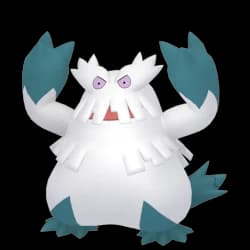
Abomasnow features a unique dual-type profile that allows for significant battlefield control. Review its defensive and offensive stats, weather-summoning potential, and inherent weaknesses to determine how well it fits into current weather-manipulation team compositions.
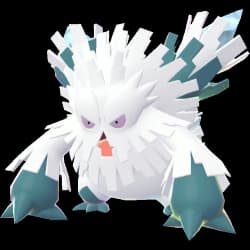
Mega Abomasnow offers a unique combination of high offensive stats and dual Grass-Ice typing. Evaluating these concrete performance indicators helps players understand how this specific form influences overall team balance and strategic execution during competitive encounters.