4×
Double weaknesses
0 attacking types
No attacking type lands in this multiplier group.
Water/Psychic
How Water and Psychic combine to shape incoming damage multipliers and exact roster entries.
Water/Psychic multiplies incoming attacks against both defending types. View the matchup table to find 2x weaknesses to Electric, Grass, and Dark, alongside resistances to Fighting and Fire. The directory tracks Pokemon Champions entries with this exact typing, remaining mathematically valid even with an empty roster. Compare related combinations to see how changing one type alters the defensive spectrum.
Combined type-chart effectiveness for incoming attacks against Water and Psychic defending Pokemon.
Incoming damage against a defending Water/Psychic Pokemon is calculated by multiplying the base multipliers of each attacking type. Overlapping weaknesses stack to 4x, while a 2x weakness and a 0.5x resistance cancel to neutral 1x. The groups below list 2x weaknesses, 0.5x resistances, and intentionally documented 1x neutral matchups. Values reflect base type-chart data only, excluding abilities, items, or battle modifiers.
0 attacking types
No attacking type lands in this multiplier group.
5 attacking types
6 attacking types
0 attacking types
No attacking type lands in this multiplier group.
0 attacking types
No attacking type lands in this multiplier group.
7 attacking types
These values describe the base type chart only. Abilities, moves, items, and field effects can change how an individual battle resolves.
Change one type while keeping Water or Psychic to compare matchup shifts and roster representation.
Each linked profile retains Water or Psychic while swapping the partner type. Keeping one type constant offers a baseline, but a single substitution can shift weaknesses, resistances, and immunities. Compare how altering one type transforms the incoming-damage profile and exact roster representation. Both represented and empty combinations serve equally as valid research paths, not strategic upgrades.
6 roster entries
Water/Dark Matchup Profile
4 roster entries
Fighting/Psychic Matchup Profile
3 roster entries
Fire/Psychic Matchup Profile
3 roster entries
Normal/Psychic Type Combination Profile
3 roster entries
Psychic/Fairy Defensive Matchup Profile
3 roster entries
Psychic/Steel Defensive Matchup Profile
2 roster entries
Poison/Psychic Matchup Profile
2 roster entries
Explore the Psychic/Dark matchup profile
2 roster entries
Water/Fairy Matchup Profile
2 roster entries
Water/Flying Type Matchup Profile
2 roster entries
Water/Ghost Type Matchup Profile
2 roster entries
Water/Ground Type Matchup Profile
See how replacing one type alters the incoming damage calculation. Compare the Water/Psychic matchup table against related dual-type profiles to identify new weaknesses, shared resistances, and alternative roster entries across Pokemon Champions.
Champions roster entries matching the exact Water and Psychic typing
Pokemon listed below carry both Water and Psychic as their exact typing, regardless of order. The shared pair defines baseline defensive interactions, but individual stats, abilities, and moves still dictate actual battle roles. If the current Champions roster lacks a matching entry, the type-chart profile for this combination remains valid for matchup analysis and team planning.

Slowbro exhibits high physical defense and unique symbiotic mechanics that define its performance. This profile breaks down its defensive strengths, sluggish speed, and the influence of the Shellder on its tail. Use these specifics to compare potential defensive pivots when building squads within the Pokemon Champions environment.

Mega Slowbro presents a distinct stat profile characterized by top-tier physical defense capabilities and solid special attack output. Reviewing these numeric benchmarks assists in quantifying the viability of this form across varied competitive matchups and defensive team configurations.

Starmie combines exceptional speed with a versatile move pool, offering distinct advantages for those building competitive teams. Review its defensive segments, core gem mechanics, and movement capabilities to determine its potential role in varied combat scenarios.
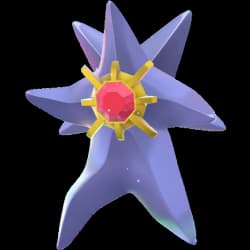
Mega Starmie maintains a distinct position in Pokemon Champions through high speed and special attack percentiles. Examine the complete base stat breakdown and defensive typing profile to assess how this form contributes to team balance, offensive coverage, and long-term matchup reliability in demanding encounters.

Slowking brings high special defense and strategic utility to the battlefield. Review specific stat percentiles, type vulnerabilities, and biological traits to decide if this Water and Psychic-type sage fits into current roster requirements for competitive play.