4×
Double weaknesses
0 attacking types
No attacking type lands in this multiplier group.
Normal/Psychic
Incoming damage multipliers, resistances, immunities, and exact roster results
The Normal/Psychic type combination defines a specific incoming damage profile in Pokemon Champions, featuring 2x weaknesses to Bug and Dark, a Psychic resistance, and a full immunity to Ghost attacks. Review the calculated defensive matchups, check for exact-typing roster entries sharing this profile, and browse related dual-type combinations sharing either type.
Incoming damage calculations multiply each attacking type's effectiveness against Normal and Psychic.
Incoming damage to a Normal/Psychic Pokemon multiplies each attacking type's effectiveness against both defending types. The groups below detail 2x weaknesses to Bug and Dark, a 0x immunity to Ghost, and a 0.5x resistance to Psychic. All remaining types deal neutral 1x damage. These matchups reflect base type chart calculations only, excluding abilities, items, or field effects.
0 attacking types
No attacking type lands in this multiplier group.
2 attacking types
1 attacking types
0 attacking types
No attacking type lands in this multiplier group.
1 attacking types
14 attacking types
These values describe the base type chart only. Abilities, moves, items, and field effects can change how an individual battle resolves.
Change one retained type to measure how a single substitution shifts the full defensive matchup profile and exact roster representation.
Each linked dual-type profile retains either Normal or Psychic while swapping the partner type. Sharing one type establishes a comparison baseline, but the altered partner completely transforms weaknesses, resistances, immunities, and neutral damage outcomes. Review represented and currently empty combinations equally as valid type-chart research destinations without assuming neighboring pairs share similar defensive traits.
5 roster entries
View Water/Psychic matchup profile
4 roster entries
Fighting/Psychic Matchup Profile
4 roster entries
Normal/Flying Type Combination Profile
3 roster entries
Fire/Psychic Matchup Profile
3 roster entries
Psychic/Fairy Defensive Matchup Profile
3 roster entries
Psychic/Steel Defensive Matchup Profile
2 roster entries
Normal/Dragon type matchup calculations
2 roster entries
Normal/Fire Defensive Matchups
2 roster entries
Poison/Psychic Matchup Profile
2 roster entries
Explore the Psychic/Dark matchup profile
1 roster entries
Electric/Psychic matchup profile
1 roster entries
Ice/Psychic Matchup Profile
Expand matchup research by browsing dual-type profiles sharing either Normal or Psychic typing. Comparing adjacent defensive profiles reveals how adding or removing a type alters incoming damage multipliers, resistances, and immunities across different roster entries.
Explore exact Normal and Psychic dual-type entries, noting that shared typing never guarantees an identical role.
An exact match for this pairing requires both Normal and Psychic, regardless of listing order. If the current Champions roster includes entries with this dual typing, they appear below. Even with identical type combinations, individual stats, abilities, and movepools dictate actual combat roles. Open specific profiles to evaluate forms, stats, and capabilities rather than treating shared typing as a guaranteed strategic overlap.

Oranguru presents a unique challenge for trainers, blending Normal and Psychic types with a high special defense stat. Its tactical mastery, centered on the move Instruct, allows for precise control of battle flow. Evaluate how this simian Pokemon fits into your team structure by checking its specific stat rankings and combat traits.
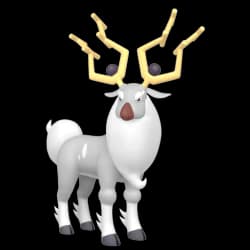
Wyrdeer represents a unique Normal and Psychic dual-type option with distinct base stat rankings. Accessing these metrics allows players to weigh its defensive vulnerabilities and offensive capabilities against specific team needs, ensuring informed roster decisions for various combat scenarios.
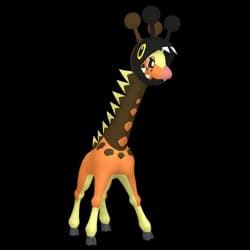
Farigiraf offers a distinct blend of defensive resilience and psychic offense, anchored by the protective Armor Tail ability and high-speed signal processing. Assessing its performance hinges on understanding how the fused cranial structure impacts its speed and defensive output during encounters.