4×
Double weaknesses
0 attacking types
No attacking type lands in this multiplier group.
Normal/Fire
Analyze incoming damage multipliers, shared resistances, and Ghost immunity for Normal/Fire.
Normal/Fire combines defensive utility with six incoming resistances—Fire, Grass, Ice, Bug, Steel, and Fairy—and a complete Ghost immunity. Defenders face doubled damage from Water, Fighting, Ground, and Rock. Review calculated multipliers and browse exact-typing Pokemon Champions entries. An empty roster result does not invalidate the defensive profile.
Multiplied type effectiveness determines how much damage a defending Normal/Fire Pokemon takes from every attacking type.
Incoming damage to a Normal/Fire Pokemon multiplies an attacking type's effectiveness against both Normal and Fire. Weaknesses and resistances stack or cancel into the final multiplier. The groups below sort attacking types by 4x double weaknesses, 2x weaknesses, resistances, 0x immunities, and 1x neutral matchups. These are pure type-chart results without abilities, items, or battle modifiers.
0 attacking types
No attacking type lands in this multiplier group.
4 attacking types
6 attacking types
0 attacking types
No attacking type lands in this multiplier group.
1 attacking types
7 attacking types
These values describe the base type chart only. Abilities, moves, items, and field effects can change how an individual battle resolves.
Compare how swapping one partner type reshapes the full incoming-damage profile and roster representation.
Each linked profile retains either Normal or Fire while replacing the partner type. Holding one shared element provides a baseline, but altering the secondary typing completely transforms weaknesses, resistances, immunities, and roster representation. Compare represented combinations and empty type-chart paths equally to observe exactly how a single substitution shifts the full defensive profile.
5 roster entries
Fire/Fighting defensive matchup profile
5 roster entries
Fire/Ghost matchup and roster profile
4 roster entries
Normal/Flying Type Combination Profile
3 roster entries
Fire/Dark matchup and roster profile
3 roster entries
Fire/Flying Matchup Profile
3 roster entries
Fire/Psychic Matchup Profile
3 roster entries
Normal/Psychic Type Combination Profile
2 roster entries
Fire/Grass Type Combination Profile
2 roster entries
Explore Fire/Ground Defensive Matchups
2 roster entries
Normal/Dragon type matchup calculations
1 roster entries
Fire/Bug Matchup Profile
1 roster entries
Fire/Dragon Type Matchup Profile
Move beyond the Normal/Fire combination and evaluate related dual-type pairings. Compare calculated defensive profiles, shared resistances, and weaknesses for combinations featuring either Normal or Fire to build informed team strategies.
Find every Champions roster Pokemon with exactly the Normal and Fire typing pair.
An exact Normal and Fire match requires both types on a single Pokemon, regardless of order. Review current Champions roster entries meeting this criteria. Sharing this typing establishes a shared defensive profile, but individual stats, abilities, and moves dictate battle function. If no entries carry this pair, matchup data remains valid. Open specific profiles to evaluate individual stats, abilities, and movepools.
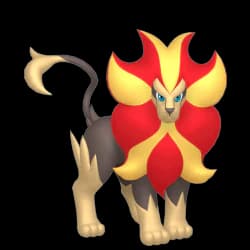
Analyze the Royal Pokémon Pyroar with specific focus on its Fire and Normal type combination, speed, and special attack performance. Understanding these numerical benchmarks allows for informed roster selection and strategic planning when building teams that require high-speed offensive pressure in various battle formats.
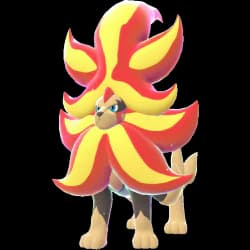
Mega Pyroar represents a unique tactical choice with high speed and special attack output. Use these documented stat percentiles to weigh its effectiveness against current team compositions and ensure optimal placement within challenging Pokemon Champions rosters.